Spike Lee is a renowned filmmaker whose work has left an indelible mark on the world of cinema. With a career spanning over three decades, Lee’s distinctive filmmaking style has earned him critical acclaim and a dedicated fan base. In this blog post, we’ll explore ten signature elements that define Spike Lee’s unique approach to filmmaking. From his use of vibrant colors to his commentary on social issues, these elements contribute to the unmistakable Spike Lee cinematic experience.
-
Bold Use of Color
One of the most striking aspects of Spike Lee’s filmmaking style is his bold use of color. Whether it’s the vivid reds and yellows in “Do the Right Thing” or the contrast of black and white in “Malcolm X,” Lee uses color to evoke emotion and amplify the themes of his films. His color choices are intentional and help create a visual language that adds depth and resonance to his stories.
-
Dolly Shots and Signature Tracking Shots
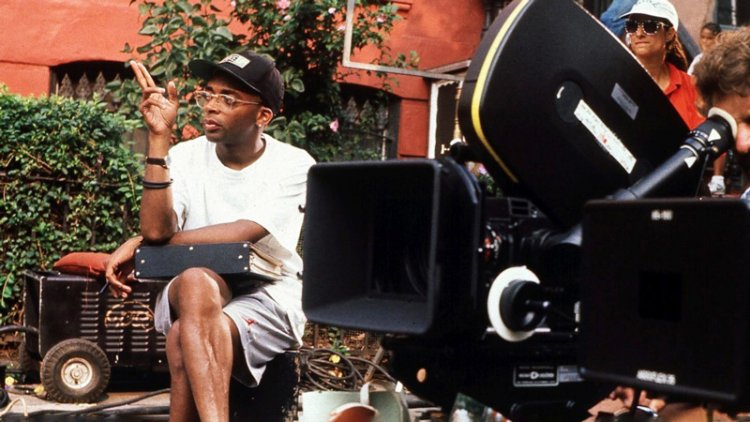
Spike Lee is known for his distinctive dolly shots and tracking shots. These techniques involve the use of a camera mounted on a wheeled platform to create fluid and dynamic movement. Lee often employs these shots to follow characters or capture a scene’s energy. His use of dolly and tracking shots is a testament to his mastery of visual storytelling, drawing the audience into the narrative.
-
Social and Political Commentary
Spike Lee’s films are often vehicles for powerful social and political commentary. From “Do the Right Thing,” which tackles racial tensions, to “BlacKkKlansman,” which examines racism in America, Lee’s films serve as thought-provoking mirrors to society. His commitment to addressing important issues through cinema has solidified his reputation as a filmmaker who challenges the status quo and provokes meaningful discussions.

-
Montages and Time-Lapse Sequences
Lee frequently incorporates montages and time-lapse sequences in his films to convey the passage of time or to build a thematic connection. These sequences provide a visual and emotional transition for the audience, contributing to the overall impact of his storytelling. Whether it’s the iconic love montage in “Jungle Fever” or the historical montage in “Malcolm X,” Lee’s use of this technique is both memorable and effective.
-
Iconic Opening Credits
Spike Lee’s films are known for their iconic opening credits sequences. From the distinctive typography and visual style to the choice of music, Lee sets the tone for his films in these sequences. The opening credits are a trademark of his films, and they often become instantly recognizable to audiences, setting the stage for the story that follows.
-
Unique Cinematic Techniques
Spike Lee is not afraid to experiment with unique cinematic techniques. Whether it’s employing double dolly shots for conversations, using split screens to convey parallel storylines, or incorporating direct-to-camera addresses, Lee’s innovative approaches make his films stand out. These techniques contribute to the immersive and engaging experience his films offer.
-
Music as a Character
Music plays a significant role in Spike Lee’s films, often functioning as a character in itself. From the jazz-infused soundtrack of “Mo’ Better Blues” to the hip-hop beats of “Do the Right Thing,” Lee’s use of music enhances the narrative and emotional impact of his stories. His collaboration with renowned composers and musicians has resulted in memorable and iconic soundtracks.
-
Thematic Repetition
Spike Lee frequently revisits specific themes and motifs throughout his body of work. Issues related to race, identity, love, and justice are recurring elements in his films. This thematic repetition allows audiences to engage with his films on a deeper level, as they explore different facets of the same ideas from various angles. It also highlights Lee’s dedication to addressing critical societal issues.
-
Strong Ensemble Casts
Spike Lee has a knack for assembling strong ensemble casts that bring his characters to life. He frequently collaborates with actors who deliver powerful performances, and his films often provide opportunities for emerging talents to shine. Lee’s ability to elicit compelling and authentic performances from his actors is a testament to his skill as a director.
-
Signature “Double-Dolly” Shot
One of Spike Lee’s most recognizable cinematic techniques is the “double-dolly” shot, where the actor moves through the scene while the camera is mounted on a dolly, creating a unique sense of motion. This technique is emblematic of Lee’s visual storytelling style and has been imitated by other filmmakers, showcasing its impact and influence on the industry.
Spike Lee’s filmmaking style is a masterful blend of visual artistry, social commentary, and a dedication to telling stories that resonate with audiences. His use of bold colors, tracking shots, and thematic repetition, along with his distinctive use of music and iconic opening credits, make his films unmistakable. Moreover, his commitment to addressing important social and political issues through cinema sets him apart as a filmmaker who uses his craft to provoke thought and inspire change.
As we explore the ten signature elements of Spike Lee’s filmmaking style, it becomes clear that his contributions to the world of cinema have left an indelible mark. Spike Lee’s work continues to captivate audiences, challenge perceptions, and stand as a testament to the power of film as a medium for storytelling and social commentary.

directors filmmaking style Spike Lee
Last modified: November 23, 2023