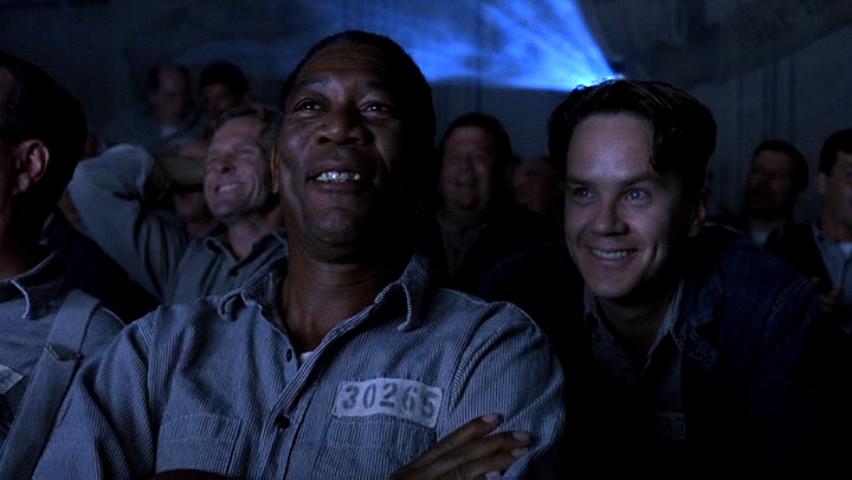
If you’re about to watch The Shawshank Redemption for the first time, you’re in for an unforgettable experience. Often hailed as one of the greatest films ever made, this 1994 classic is a slow-burning, emotionally charged journey through prison life, justice, hope, and the human condition. Here’s everything you need to know before diving into this cinematic masterpiece.
The Film at a Glance
- Title: The Shawshank Redemption
- Director: Frank Darabont
- Based On: Rita Hayworth and Shawshank Redemption by Stephen King
- Release Year: 1994
- Stars: Tim Robbins (Andy Dufresne), Morgan Freeman (Ellis “Red” Redding)
- Runtime: 142 minutes
- Genre: Drama / Crime
- IMDb Rating: 9.3/10 (Ranked #1 on IMDb’s Top 250)
The Plot – A Spoiler-Free Overview
The Shawshank Redemption centers around Andy Dufresne, a quiet and intelligent banker who is sentenced to two consecutive life terms for the murder of his wife and her lover—a crime he insists he did not commit. Andy is sent to Shawshank State Penitentiary, a bleak and oppressive prison where survival requires more than just toughness.
Inside, he meets Red, a seasoned inmate known for “sourcing” items from the outside world. The two form a deep friendship, and over the course of nearly two decades, Andy uses his skills, intellect, and quiet resilience to endure the hardships of prison life—and ultimately, to challenge the very system that put him there.
This is not a prison break thriller in the traditional sense. It’s a meditative, character-driven narrative about enduring hope, redemption, and the long arc of justice.
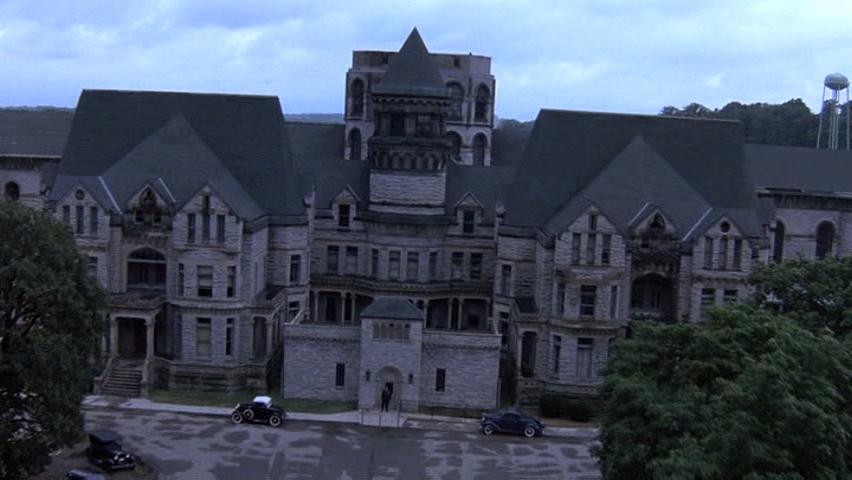
“The Shawshank Redemption” takes place in this prison in Ohio in the 1940s.
Why the Film Wasn’t a Hit at First
When The Shawshank Redemption was released in 1994, it underperformed at the box office. Competing with films like Pulp Fiction and Forrest Gump, it didn’t find its audience right away. However, the film gained a massive following through home video rentals, TV broadcasts, and word-of-mouth, eventually becoming one of the most beloved movies in history.
A Masterclass in Storytelling
One of the strongest elements of The Shawshank Redemption is its narrative structure. Told mostly from Red’s perspective through Morgan Freeman’s iconic voice-over narration, the film unfolds gradually, allowing the viewer to become deeply invested in the lives of the inmates.
Frank Darabont’s direction is restrained but powerful, letting the characters and themes shine. The screenplay, adapted from Stephen King’s novella, is rich with symbolism, metaphor, and poignant dialogue. Every scene serves a purpose.
Themes to Pay Attention To
Hope vs. Despair:
The core of the film lies in its exploration of hope—what it means, how it survives, and whether it’s a strength or a weakness. Andy’s unbreakable hope contrasts sharply with the institutionalized despair of many inmates.
Freedom and Confinement:
While the inmates are physically imprisoned, the film delves into deeper psychological and emotional forms of confinement. The contrast between freedom of the mind versus freedom of the body is a recurring motif.
Redemption and Forgiveness:
Each character, especially Red and Andy, undergoes a personal journey of reflection and redemption. It’s a story about second chances, not just in the legal system, but in life itself.
Institutionalization:
The film illustrates how long-term imprisonment affects identity, purpose, and mental health. Some inmates become so accustomed to life inside that the idea of freedom becomes terrifying.

Performances That Leave a Mark
Tim Robbins as Andy Dufresne delivers a quiet yet powerful performance. His subtle portrayal of a man clinging to hope in the face of despair is both moving and inspiring.
Morgan Freeman, as Red, gives one of the finest performances of his career. His role as narrator and moral compass of the story gives the film much of its emotional depth. His gravitas, tone, and timing turn even simple lines into unforgettable moments.
Technical Excellence and Iconic Moments
From Roger Deakins’ cinematography to Thomas Newman’s haunting score, every technical aspect of the film complements its emotional impact. The pacing, while slow at times, is intentional—mirroring the passage of time inside prison walls.
One standout scene is the “opera scene,” where Andy plays an aria over the prison loudspeakers. It’s a moment of pure cinematic poetry, representing freedom in its most intangible form.
Another is the climactic rainfall scene, which has become one of the most iconic visuals in film history—symbolizing cleansing, release, and rebirth.
–
Today, The Shawshank Redemption is more than just a film—it’s a symbol of hope and endurance. It’s referenced in popular culture, taught in film schools, and quoted by fans around the world. It holds the rare position of being a critics’ favorite and a fan favorite, bridging the gap between art and accessibility.
It was nominated for seven Academy Awards, including Best Picture, Best Actor (Freeman), and Best Adapted Screenplay, though it didn’t win any. Yet its legacy has outshined almost every film from its era.
Before you watch The Shawshank Redemption, prepare yourself for a deeply human story—one that doesn’t rely on spectacle or sensationalism, but on the quiet power of hope, resilience, and friendship. It’s a film that earns its emotional impact through careful storytelling, unforgettable characters, and universal truths.
Whether you’re a fan of Stephen King, prison dramas, or emotionally intelligent storytelling, this film is a must-watch. It’s not just a movie—it’s an experience that stays with you long after the final frame.

Before You Watch The Shawshank Redemption
Last modified: July 7, 2025